


Jun 11, 2026

SMART FOOD PACKAGING TRENDS CHANGING THE INDUSTRY
Busy schedules and fast-paced routines have increased the demand for ready-to-eat meals across the world.
As consumer habits evolve, so does the food packaging industry. Smart packaging is no longer just about wrapping food — it's about enhancing the entire customer experience, from freshness to convenience to sustainability.
What Is Smart Food Packaging?
Smart food packaging refers to innovative packaging solutions that go beyond traditional methods. These include technologies that monitor freshness, extend shelf life, improve safety, and even interact with consumers through digital features like QR codes and NFC tags.
Top Smart Packaging Trends
1. QR Code & NFC-Enabled Packaging — Brands are embedding QR codes and NFC chips into packaging, allowing consumers to instantly access product information, nutritional details, recipes, and even verify product authenticity with a simple scan.
2. Active & Intelligent Packaging — These systems use sensors and indicators to monitor temperature, humidity, and freshness in real time, ensuring food quality from production to the consumer's hands.
3. Sustainable & Eco-Friendly Materials — With growing environmental awareness, brands are shifting to biodegradable, compostable, and recyclable packaging materials that reduce carbon footprints without compromising product protection.
4. Modified Atmosphere Packaging (MAP) — By altering the gas composition inside packaging, MAP significantly extends the shelf life of perishable foods, reducing waste and keeping products fresher for longer.
5. Minimalist & Transparent Packaging — Consumers today want to see what they're buying. Clean, transparent packaging builds trust and appeals to health-conscious shoppers who value ingredient transparency.
Why These Trends Matter
Smart packaging innovations are reshaping how food brands connect with consumers. They improve food safety, reduce waste, enhance brand storytelling, and meet the growing demand for convenience in a digital-first world.
As technology continues to advance, smart food packaging will play an even bigger role in shaping the future of the food industry.
Latest News & blogs
06 - 11 - 2026
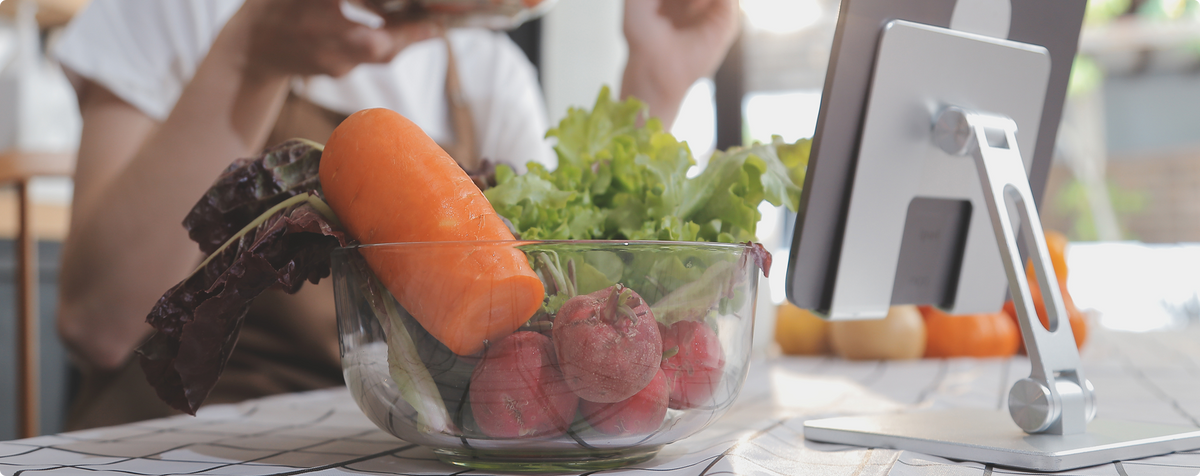
Exploring the Future of Convenient Food Products
Packed foods simplify meal preparation and save valuable time for busy individuals and families.
06 - 11 - 2026
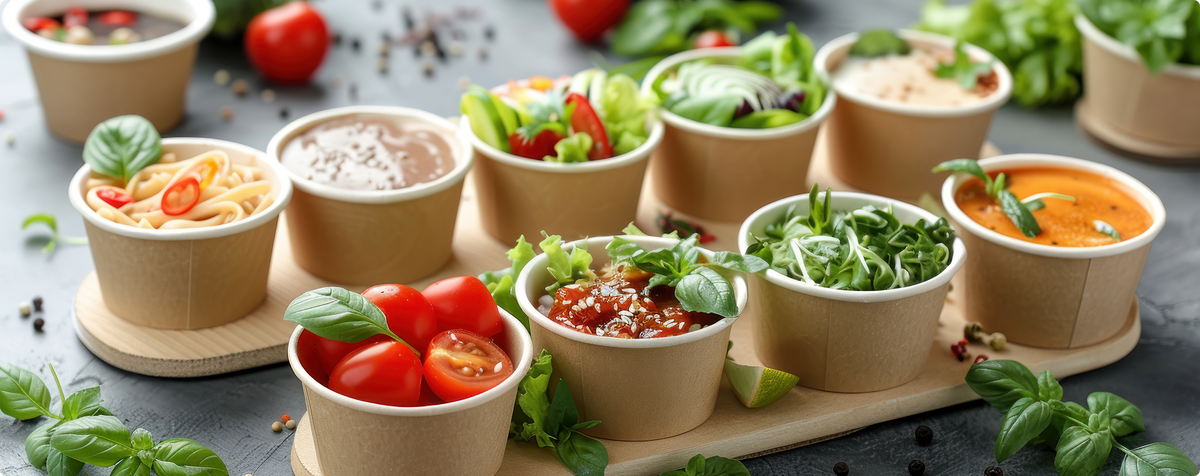
The Secret Behind Fresh and Flavorful Food Packaging
Packaging plays a major role in preserving freshness, maintaining hygiene, and attracting customers.
06 - 11 - 2026
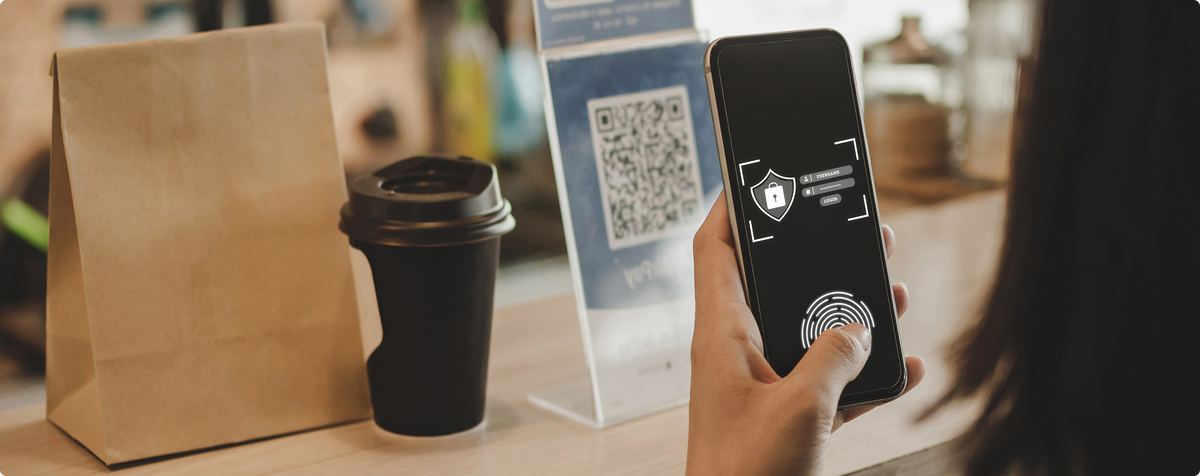
Smart Food Packaging Trends Changing the Industry
Busy schedules and fast-paced routines have increased the demand for ready-to-eat meals across the world.

06 - 11 - 2026
Here is a list of the best instant food products that every family loves
Packed foods simplify meal preparation and save valuable time for busy individuals and families.
06 - 11 - 2026
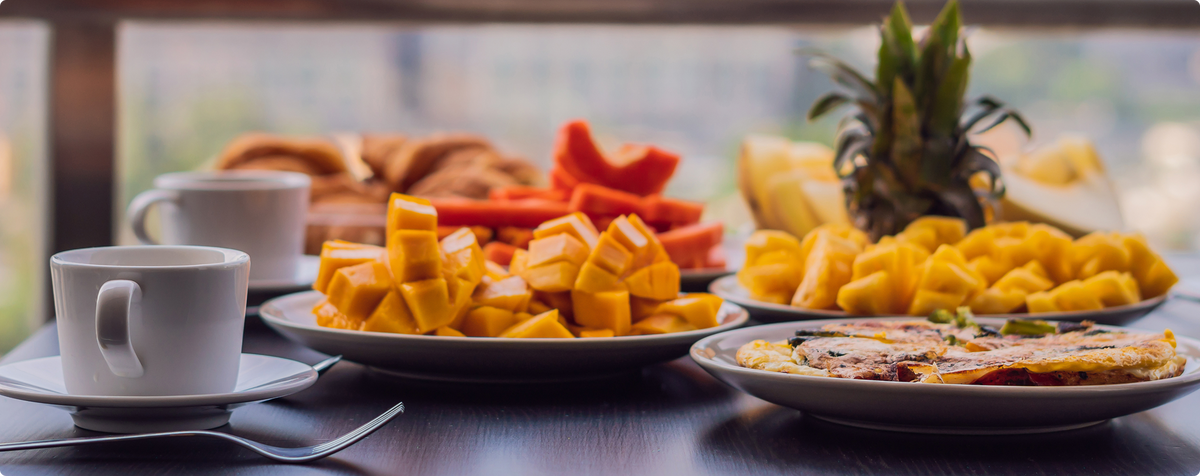
Snacks for Offices and Travel Time: Easy Snack Ideas
Packaging plays a major role in preserving freshness, maintaining hygiene, and attracting customers.

06 - 11 - 2026
There are a number of healthy packed foods that are ideal for busy lifestyles
Busy schedules and fast-paced routines have increased the demand for ready-to-eat meals across the world.
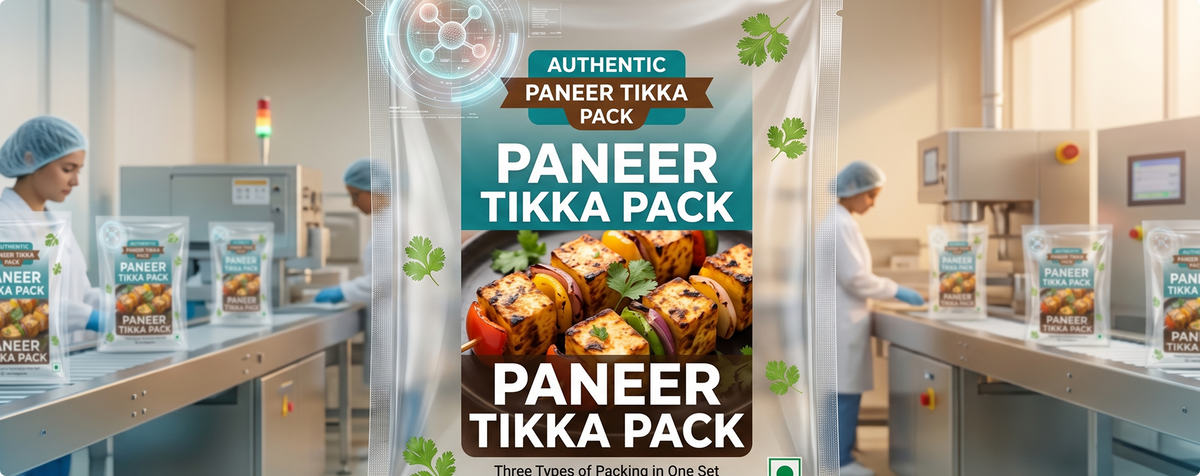
06 - 08 - 2026
Why Quality Packaging Matters in the Food Industry
Packaging plays a major role in preserving freshness, maintaining hygiene, and attracting customers. Learn why quality packaging is essential in today's food industry.
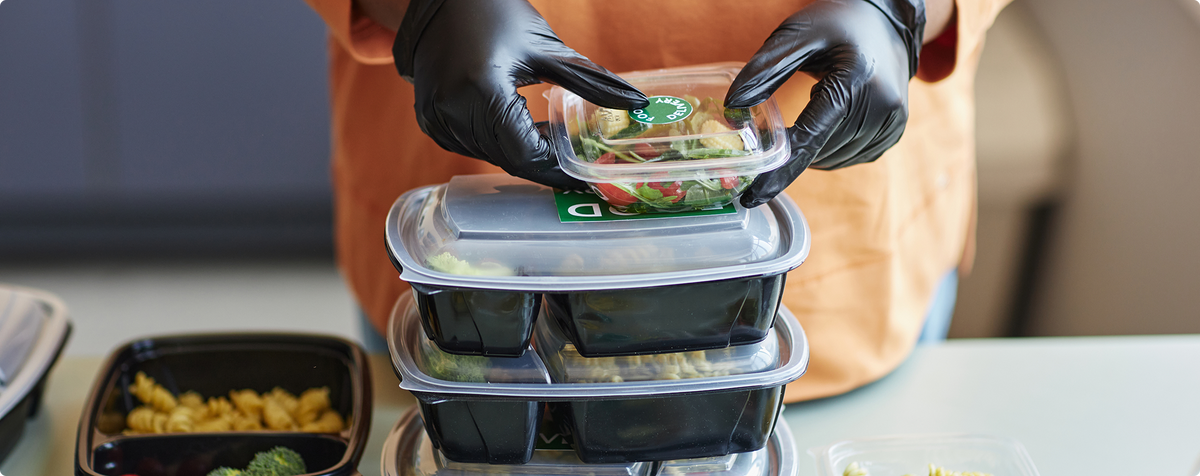
06 - 08 - 2026
How Packed Foods Improve Everyday Convenience
Packed foods simplify meal preparation and save valuable time for busy individuals and families. Discover how they are transforming everyday eating habits.

06 - 08 - 2026
The Rise of Ready-to-Eat Meals in Modern Lifestyles
Busy schedules and fast-paced routines have increased the demand for ready-to-eat meals across the world. Discover how modern lifestyles are reshaping the way we eat.


